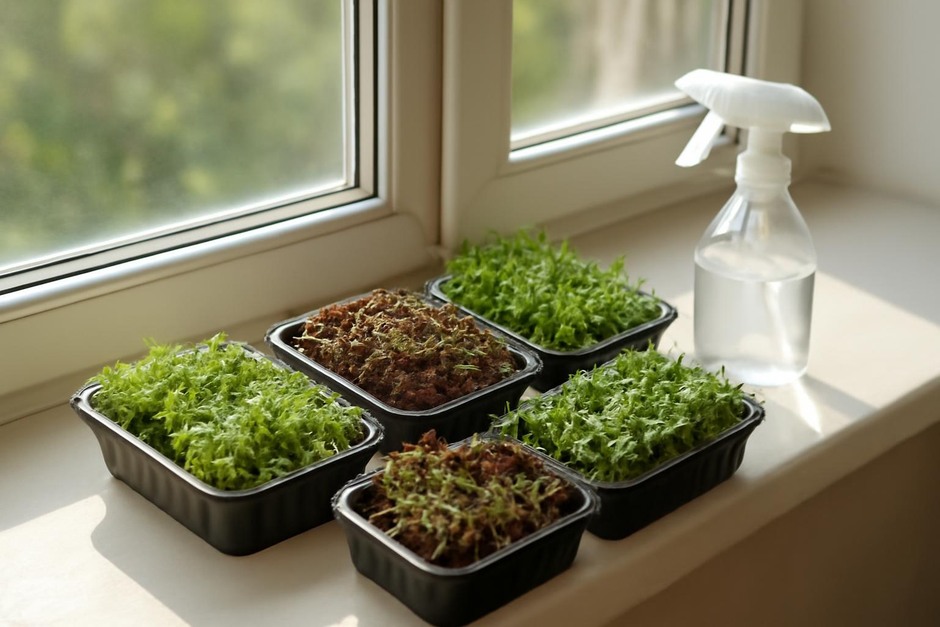
Growing Microgreens on a Windowsill: A Simple Daily Routine for Beginners
Why microgreens? A short introduction
Microgreens are young seedlings of vegetables and herbs harvested just after the first true leaves appear. They fit small spaces, grow quickly, and add fresh flavor and texture to dishes. The method below focuses on a short, repeatable morning routine that keeps care simple and enjoyable for beginners.
Step-by-step method: a 7-minute daily routine and sowing instructions
This method covers one sowing and a short daily care routine you can repeat each morning.
- Choose your tray and medium (5–10 minutes initial setup): Select a shallow tray with drainage holes or line a tray with a thin layer of coarse material and a reusable absorbent pad. Use seed-starting mix, compost, or even a thin layer of potting soil. A depth of 2–3 cm (about 1 inch) is enough.
- Measure and moisten the soil (2 minutes): Fill the tray and press lightly to level. Moisten the soil until it is damp but not waterlogged. A spray bottle gives gentle, even moisture.
- Sow seeds densely but evenly (3–5 minutes): Scatter seeds so they slightly touch but do not form thick clumps. Microgreen seeds are sown much more densely than regular garden plants. For mixed trays, sprinkle smaller seeds more thinly. Press seeds gently into the soil surface so they contact the medium.
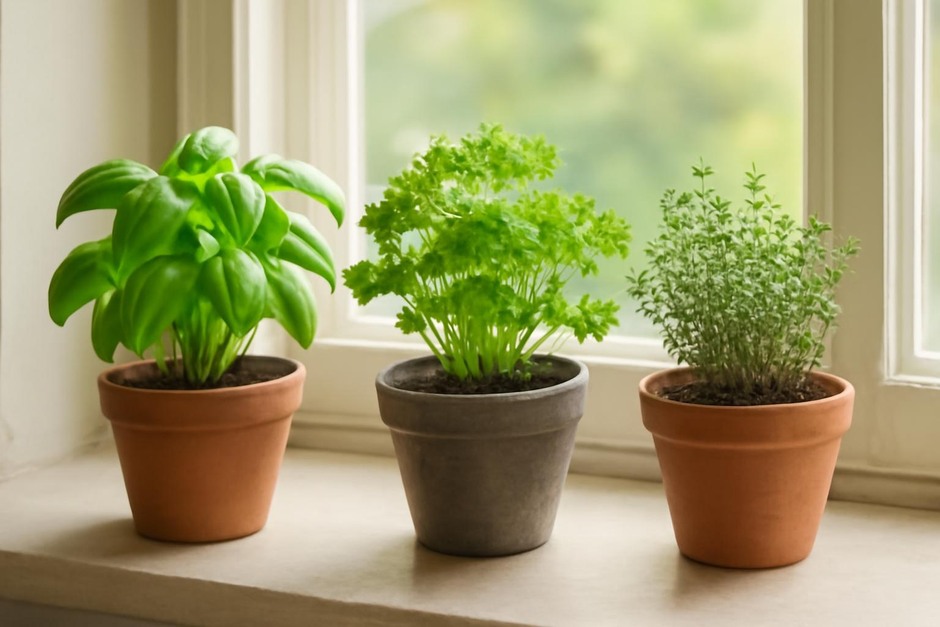
- Cover (optional) and move to light (1 minute): Some seeds benefit from a light cover for the first 2–4 days to encourage even germination; use a second tray upside down or a simple lid. After germination, place the tray on a sunny windowsill or under grow lights. Aim for bright, indirect light for most varieties.
- Daily morning routine (about 7 minutes total): Each morning, follow these quick steps:
- Check moisture: Touch the soil surface. If it feels dry, mist the surface or water from the bottom by placing the tray in a shallow pan of water for a few minutes.
- Turn trays: If using a wide windowsill or a shelf, rotate the tray slightly to promote even light exposure.
- Inspect for mold or weak spots: Remove any dense mold patches with a paper towel and improve airflow if needed.
- Harvest as needed: Once the first true leaves appear, snip microgreens above the soil line with scissors for fresh use. Harvesting often stimulates a bit of new growth in some varieties.
- Repeat sowings every 1–2 weeks: To maintain a steady supply, stagger sowings so you have fresh trays every week or two.
Variations to try
Microgreens are versatile. Try these simple variations to suit your space and tastes:
- Single-species trays: Grow sunflowers, peas, radish, or basil alone to enjoy distinct textures and flavors.
- Mixed salad blend: Combine arugula, mustard, and beet microgreens for color and a spicy note. Sow seeds in proportion to their size—larger seeds can be slightly more concentrated.
- Soilless option: Use coconut coir pads or hemp mats in a tray for a tidy, lighter medium that drains well.
- Indoor lighting: If your windowsill lacks light, use a simple LED grow light on a timer for 12–14 hours daily.
- Herb emphasis: Sow basil, cilantro, or dill microgreens for a quick way to add herb flavor to meals without waiting for full plants.
Troubleshooting: common issues and simple fixes
Problem: Slow or uneven germination
- Fix: Ensure seeds have good contact with a moist surface and keep them covered for the first 2–4 days if needed. Slightly warmer conditions can speed germination.
Problem: Mold or slimy growth
- Fix: Reduce surface moisture, improve airflow by opening a nearby window or using a small fan briefly, and avoid overpacking the tray. Remove any moldy patches immediately.
Problem: Leggy, elongated seedlings
- Fix: Increase light intensity or move trays closer to the light source. Rotate trays daily for even exposure.
Problem: Bitter or weak flavor
- Fix: Harvest at the right stage—just after the first true leaves appear. Overgrown trays can develop different flavors. Try a different seed variety if the taste is not to your liking.
Problem: Rapid drying on hot windowsills
- Fix: Water by bottom watering to keep roots moist, and move trays slightly away from direct midday sun if scorching occurs.
With a short morning check and simple care, microgreens are a low-effort way to bring fresh greens to your kitchen and to enjoy a little daily gardening. Start with one or two trays, repeat the quick routine each morning, and adjust timing and seed choices as you learn what grows best in your space.