Indoor Composting: Comparing Bokashi and Worm Bins — Common Mistakes and Simple Corrections
Two approaches, one small-space goal
When you want to recycle kitchen scraps without a backyard heap, two tried-and-true indoor systems stand out: bokashi and worm bins (vermicomposting). Both reduce waste and create soil-friendly outputs, but they operate on different principles and require different rhythms of care. Below is a calm comparison of how each works, followed by a practical checklist of common mistakes and fixes to help you get started with confidence.
How bokashi works
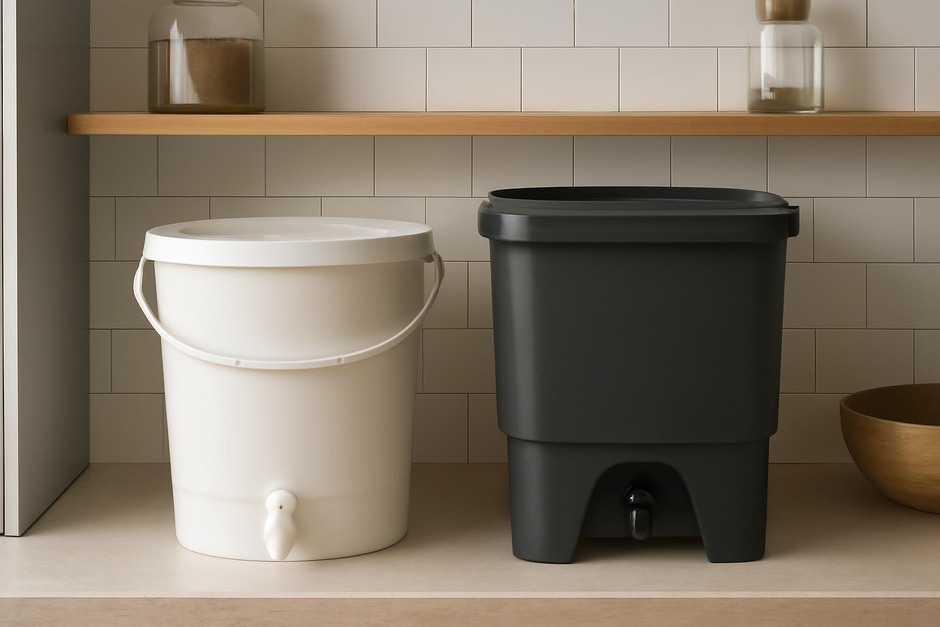
Bokashi uses a sealed bucket and a bran inoculated with beneficial microbes. You add any food scraps — including meat, dairy and citrus — press them down, and sprinkle bokashi bran between layers. The anaerobic fermentation preserves the material and reduces odors. After a few weeks the fermented solids are buried in soil or added to a compost pile to finish breaking down.
How a worm bin works
Vermicomposting relies on red wiggler worms that eat kitchen scraps and convert them into nutrient-rich castings. Waste is added to bedding in a ventilated container. Unlike bokashi, worm bins prefer mostly vegetable scraps and a balanced carbon-to-nitrogen mix. With regular feeding and moisture control, worms steadily transform matter into finished compost you can scoop out or harvest from stacked trays.
Checklist of common mistakes and useful corrections
Bokashi: frequent pitfalls and fixes
- Mistake: Not pressing down scraps. Effect: Too much air limits fermentation and invites odors.
- Correction: After each addition, press down firmly to expel air and create a tight seal.
- Mistake: Using a lid that doesn’t seal. Effect: Air gets in, fermentation slows, and liquid may leak.
- Correction: Use a bucket with a secure gasket lid and check the seal periodically.
- Mistake: Waiting too long before emptying. Effect: The bucket fills and becomes harder to manage; liquid may stagnate.
- Correction: Aim to bury or compost fermented contents every 2–4 weeks, or keep a rotation of two buckets.
- Mistake: Pouring bokashi liquid down the sink. Effect: Sticky, concentrated liquid can clog pipes and smell if not diluted.
- Correction: Dilute the drain liquid 1:100 with water and use it as a mild fertilizer on non-edible plants, or pour it directly into soil.
Worm bin: frequent pitfalls and fixes
- Mistake: Overfeeding or adding inappropriate scraps. Effect: Uneaten food rots, attracts pests, and harms worms.
- Correction: Feed small amounts (a handful or two every few days), avoid large quantities of citrus, onion, meat or dairy, and chop scraps finely.
- Mistake: Bedding that is too wet or too dry. Effect: Worms can drown in soggy bedding or become stressed in dry conditions.
- Correction: Aim for a damp sponge texture. Add dry bedding like shredded cardboard to soak up excess moisture, or mist with water when too dry.
- Mistake: Poor ventilation or insufficient drainage. Effect: Anaerobic zones create bad smells and unhealthy conditions for worms.
- Correction: Use a bin with ventilation holes and a drainage tray; flip bedding occasionally to introduce air.
- Mistake: Keeping the bin in extreme temperatures. Effect: Worms slow down or die when too hot or too cold.
- Correction: Place the bin in a stable, cool spot (around 15–25°C / 60–77°F) away from direct sun and freezing drafts.
Choosing between bokashi and a worm bin
Consider these practical points to decide which fits your home and habits:
- Type of scraps: If you want to recycle meat, dairy or oily leftovers, bokashi handles them safely. Worm bins are best for vegetable and fruit scraps, coffee grounds and paper products.
- Space and smell tolerance: Bokashi is fully sealed and compact; it produces little smell if used correctly. Worm bins need a ventilated spot and some regular maintenance to prevent odors.
- Output and use: Bokashi produces fermented material that needs burying or finishing in a garden; it’s great if you have soil or use a community garden. Worm bins produce finished castings you can scoop and apply directly to potted plants and garden beds.
- Hands-on commitment: Worm bins require ongoing care—feeding, moisture checks, occasional harvesting. Bokashi is more set-and-wait, but requires handling and burying fermented waste periodically.
- Learning curve: Both systems are forgiving when you start with small quantities. If you prefer a gentler learning curve, bokashi’s sealed process is simpler; if you enjoy tending and watching a living system, vermicomposting can be rewarding.
Whichever method you choose, start small, follow the simple corrections above when things go off track, and adapt the routine to your kitchen and plants. Both bokashi and worm bins can turn everyday scraps into useful resources with a little patience and observation.